
The Morning Peak Dilemma: Navigating Australia’s Newest Grid Challenge
The Shift in the Grid
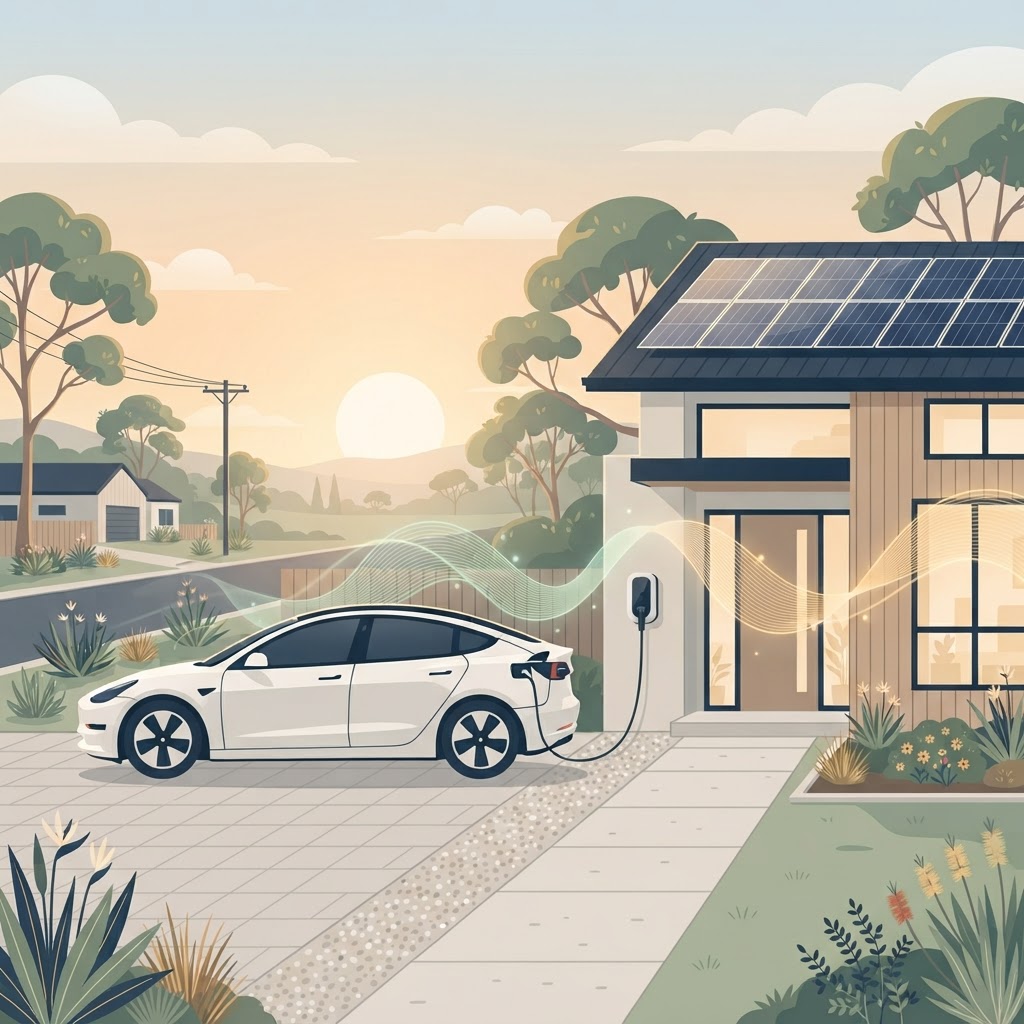
For years, the 'Solar Soak' strategy was the golden rule for Australian EV drivers: charge your car while the sun is high and your rooftop panels are pumping out cheap, clean energy. But as our grid evolves, the challenges are shifting. While midday remains fantastic for solar users, a new phenomenon is emerging: the 'Morning Peak' surge.
What is the Morning Peak?
Between 6:00 AM and 9:00 AM, the Australian grid often experiences a secondary spike in demand as households wake up, turn on heaters, and brew coffee before the sun has reached full intensity. For EV owners, this creates a tricky scenario. If you haven't charged overnight and your car is hovering at a low state of charge, you might be tempted to 'top up' during these high-demand, high-price hours.
Why Morning Charging Can Be Costly
If you are on a time-of-use (TOU) tariff or an Amber-style dynamic pricing plan, the morning peak is arguably the most expensive time to pull power from the grid. Wholesale prices can spike significantly as AEMO calls on gas-peaking plants to meet the morning load.
The Three Pillars of Smart Charging
To avoid getting caught in the morning price spike, keep these three strategies in mind:
- Prioritise the 'Deep Night': If you are on an EV-specific plan (like those offered by OVO or AGL), look for the 'super-off-peak' windows. Often between midnight and 6:00 AM, grid prices are at their lowest due to high wind penetration and low human demand.
- The Midday Buffer: If you work from home, continue to lean into the solar surplus. Just ensure your wall charger is set to 'solar-only' mode to avoid drawing expensive grid power when a cloud drifts over your roof.
- The Pre-emptive Charge: Don't wait until 7:00 AM to charge if you have a busy day ahead. If you arrive home in the afternoon, start your charging cycle while the sun is still up, or schedule it to finish just before the morning surge begins.
Tools to Help You Stay Ahead
Technology is your best ally in avoiding peak-time costs.
- Smart Charging Apps: Use apps like ChargeHQ or Evie that talk to your inverter. They can automate the 'solar soak' and automatically pause your charging if grid prices hit a certain threshold during the morning peak.
- Vehicle Scheduling: Most modern EVs (like the Tesla Model Y or BYD Atto 3) allow you to set a 'departure time.' This tells your car to be ready by 8:00 AM, but forces the charging cycle to occur during the cheapest off-peak hours.
- Monitor Your Retailer: Check if your current plan has a 'shoulder' rate that kicks in during these morning hours. You might find that switching to a plan with a shorter, sharper peak window saves you hundreds per year.
The Bottom Line
As we transition toward a grid powered by more renewables, our charging habits must become more sophisticated. The goal isn't to stop charging, but to become an active grid participant. By avoiding the morning peak, you aren't just saving money—you’re helping to reduce the overall stress on the Australian energy system during its most fragile hours.
Keep an eye on your local market, use your smart-home integrations, and keep that charging 'smart' rather than 'rushed'.